The phrase callous meaning in text often appears when someone receives a message that feels emotionally cold, harsh, or insensitive. In digital communication—where tone can easily be misunderstood—words carry extra weight. A short reply, a blunt comment, or a lack of empathy can quickly be labeled as “callous.” That’s why many people search for the callous meaning: they want to understand whether the word describes behavior, personality, or simply poor communication.
In everyday language, “callous” is commonly used to describe someone who seems emotionally hardened or uncaring about others’ feelings. However, its meaning can vary depending on context—casual chats, professional discussions, or even medical terminology. This guide breaks down the definition, background, and modern usage of the term in simple, clear language so you can understand how and when it applies.
Uso Meaning Definition, Background, How Used in Text & Online
Meaning & Definition
The callous meaning generally refers to a person or action that shows a lack of sympathy, compassion, or emotional sensitivity. When someone is described as callous, it suggests they are indifferent to other people’s pain or struggles.
In simple terms, being callous means:
- Acting emotionally cold
- Ignoring someone’s feelings
- Showing little or no empathy
- Responding in a harsh or dismissive way
For example:
- “He made a callous remark about her loss.”
- “That was a callous response to someone asking for help.”
The word can describe both behavior and personality traits. A single comment may be callous, or a person may consistently display callous behavior.
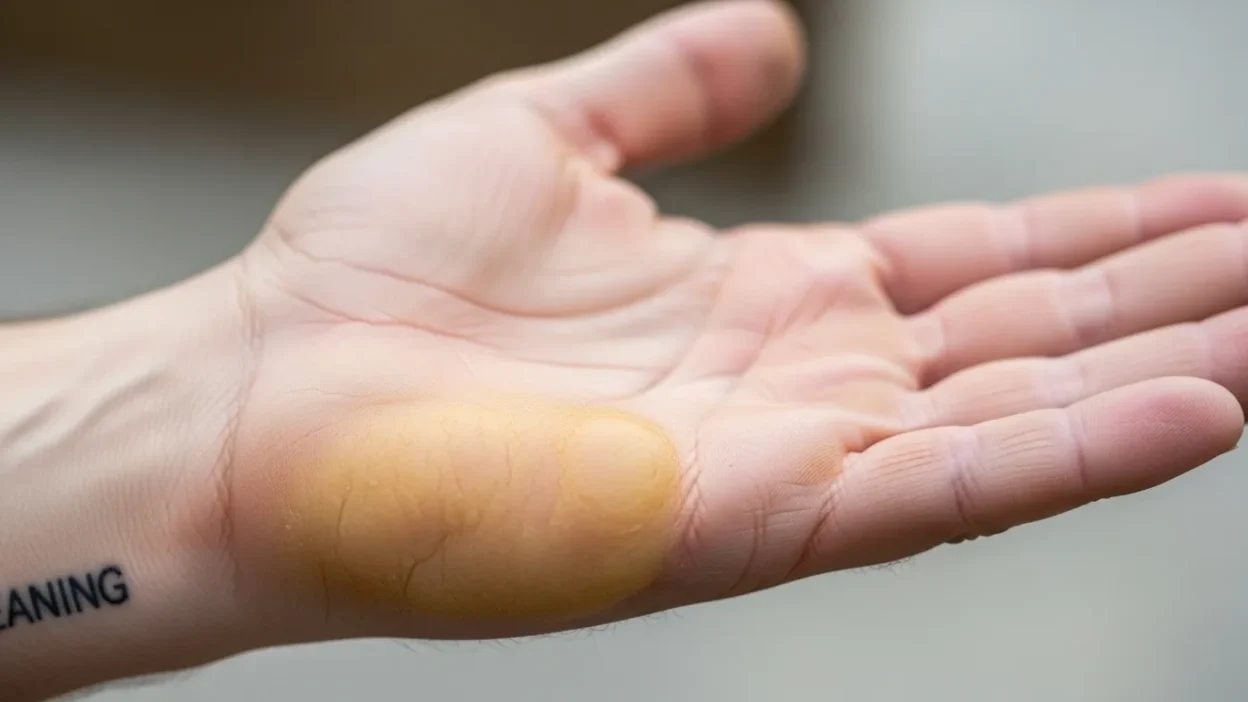
Interestingly, the term also has a literal meaning in medical contexts. A “callus” (without the extra “o”) refers to thickened skin that forms due to repeated friction. This physical hardening of skin connects metaphorically to the emotional meaning—someone emotionally “hardened” is considered callous.
In text messages, the word often refers to tone rather than intention. A short reply like “Okay.” after someone shares bad news may be interpreted as callous, even if that wasn’t the sender’s intention.
Background
The word “callous” comes from Latin roots meaning “thick-skinned.” Originally, it described hardened areas of skin caused by friction. Over time, the meaning expanded metaphorically to describe emotional hardness.
Language often evolves through metaphor. Just as skin can become tough and less sensitive, a person’s emotions can appear hardened or less responsive. This shift from physical description to emotional characteristic explains how the word developed its modern usage.
Historically, the term became more common in psychological discussions, especially when describing individuals who show a lack of empathy. In social settings, it began to describe insensitive remarks or behaviors.
In modern digital communication, the word appears frequently in online discussions, comments, and relationship advice. Because text lacks vocal tone and facial expressions, people may label a message as callous when it feels abrupt or dismissive.
Understanding the background helps clarify that callous behavior often refers to perceived emotional distance rather than deliberate cruelty.
Usage in Different Contexts (Chat, Social Media, Professional Fields)
The callous meaning can shift slightly depending on where it is used.
In Casual Chat
Friends may use it when someone seems unsympathetic:
- “That was kind of callous.”
- “Why are you being so callous about it?”
On Social Media
The word often appears in debates or comment sections:
- “That comment was completely callous.”
- “It’s callous to joke about serious issues.”
Here, it usually criticizes insensitivity toward social or personal matters.
In Professional Fields
In workplaces, callous behavior may describe:
- A manager ignoring employee concerns
- A colleague making insensitive remarks
- A company responding coldly to customer complaints
In psychology or behavioral studies, “callous traits” may describe patterns of reduced empathy.
Context matters greatly. What feels callous in a personal conversation may simply be considered direct or factual in a professional setting.
Meaning in Chat, WhatsApp, Instagram, TikTok
On messaging platforms, tone can easily be misunderstood.
Short or blunt replies may be interpreted as callous:
- “Not my problem.”
- “Deal with it.”
Even minimal responses like “K.” can seem emotionally distant.
In comments:
- “That’s not a big deal.” (under a serious post)
This may be labeled as callous if the post is about a sensitive topic.
TikTok
When users respond dismissively to emotional content:
- “Why are you crying over that?”
Such remarks may be criticized as callous behavior.
In social media culture, emotional awareness is highly valued. Therefore, insensitive comments are quickly called out.
Meaning in Physics, Medical, and Aircraft Terminology
The emotional meaning of “callous” does not directly apply in technical sciences, but related forms appear.
Medical Field
“Callus” (without extra “o”) refers to hardened skin or bone healing tissue. For example:
- A fracture may develop a “bone callus” during healing.
- Repeated friction can cause a skin callus.
Physics
The term itself isn’t used emotionally in physics, but the concept of hardening materials sometimes parallels the metaphorical use of emotional hardening.
Aircraft & Engineering
In aviation or engineering contexts, the term “callous” rarely appears. However, describing safety negligence as “callous disregard” may be used in reports or legal language.
Thus, technical usage differs significantly from emotional meaning in text conversations.
Common Misconceptions
- Callous means evil – Not necessarily. It usually means emotionally insensitive, not malicious.
- Direct equals callous – Being straightforward isn’t always insensitive.
- One comment defines a person – A single blunt reply doesn’t mean someone is emotionally hardened.
- It’s always intentional – Many people sound callous accidentally due to poor communication.
Understanding intent and context prevents overuse of the label.
Similar Terms & Alternatives
Words similar to callous include:
- Cold
- Unfeeling
- Insensitive
- Harsh
- Indifferent
- Detached
Each has subtle differences. For example, “indifferent” suggests lack of interest, while “harsh” focuses more on tone.
How to Respond to It
If someone calls you callous:
- Ask for clarification: “What did I say that felt insensitive?”
- Explain your intention calmly.
- Show empathy if needed: “I didn’t mean to sound uncaring.”
If someone behaves callously toward you:
- Express how it made you feel.
- Avoid reacting aggressively.
- Set boundaries if necessary.
Healthy communication often resolves misunderstandings.
Differences from Similar Words
- Cold – Emotionally distant but not necessarily insensitive.
- Cruel – Intentionally causing pain.
- Blunt – Direct, sometimes lacking softness.
- Indifferent – Not caring either way.
Callous combines emotional hardness with lack of empathy.
Relevance in Online Conversations & Dating Apps
In dating apps, tone is everything. A reply like:
- “Whatever.”
- “Not impressed.”
may seem callous and reduce connection instantly.
Digital relationships rely heavily on emotional cues. Since body language is absent, word choice matters more. Being mindful of tone helps avoid appearing insensitive.
Understanding the callous meaning helps people interpret messages fairly and communicate more thoughtfully.
Conclusion
The callous meaning in text refers to emotional insensitivity or lack of empathy. While originally linked to physical hardening of skin, the word now commonly describes cold or dismissive behavior in conversations. In digital communication—especially on messaging apps and social media—tone can easily be misinterpreted as callous due to short or blunt responses.
However, context and intention matter. Not every direct statement is emotionally harsh. Recognizing the difference between cruelty and simple miscommunication helps build healthier interactions. By understanding how the term is used across chat, professional settings, and technical contexts, you can better interpret conversations and avoid misunderstandings. Clear, empathetic communication reduces the risk of being seen as callous and strengthens relationships both online and offline..

J. K. Rowling is a British author born July 31, 1965, in Yate, England. She wrote the Harry Potter series, one of the most popular book franchises ever. Her stories about a young wizard and his friends made her a global name and changed modern fantasy reading. You can read more about her life and work on meaningdesk.com.